Source ISO Certified Tungsten Carbide Punches and Dies for Hardware
Find ISO certified tungsten carbide punches and dies for hardware, machinery, and electronic applications. Compare 30 available options featuring high-speed milling, tight tolerances, and custom shapes from Dongguan suppliers; compare the available evidence and request quotations based on your requirements.
Key considerations
Products List




Comprehensive Sourcing Guide
ISO Certified Tungsten Carbide Punches and Dies Sourcing Guide
Procuring ISO certified tungsten carbide punches and dies requires a rigorous approach to verifying both material integrity and manufacturing precision. Buyers must prioritize suppliers who explicitly list certifications like ISO Type:Stamping Die Parts alongside specific carbide grades such as CD650, Yg6X, or K-series variants. The observed market data indicates that high-performance components often originate from Dongguan, China, utilizing automation technology to maintain tight tolerances of 0.001mm. This level of precision is critical for applications in machinery, hardware, and electronic sectors where consistent forming die performance is non-negotiable.
When evaluating listings, buyers should scrutinize the distinction between standard and customized offerings, as the market presents a wide range of options from single-cavity round molds to complex shape punches. The observed price range of 0.38 to 800 USD reflects significant variance in material composition, such as the use of 100% raw materials versus mixed grades, and the extent of surface treatments like polishing or blanking. A strategic procurement plan must account for these variables, ensuring that the selected supplier can deliver specific models like Yinchuang or SR431 while adhering to the required lead times of 12 to 15 days for production and delivery.
Product Scope and Observed Listing Signals
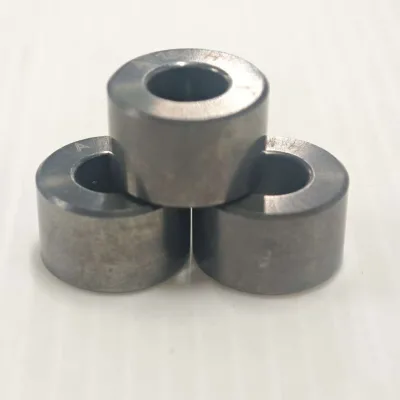
The product scope for tungsten carbide dies encompasses a diverse array of shapes including round, oval, and custom punches designed for high-speed milling and pumping mould processes. Listings frequently highlight specific technical attributes such as high-speed milling capabilities and reaction-type driving motors, which are essential for efficient operation in hardware and electronic manufacturing environments. Buyers should verify that the listed product name, such as "Carbide Die" or "Tungsten Carbide Components," aligns with their specific forming die requirements, noting that some items are explicitly marked as non-customized while others offer full customization options.
Observed listing signals reveal that packaging and condition are critical indicators of supplier reliability, with options ranging from standard cardboard boxes to robust wooden cases for international shipping. The condition of the product is consistently listed as new, yet the surface treatment varies between polished, blanked, or ground finishes, directly impacting the final tool's performance and longevity. Procurement teams must carefully cross-reference these signals with the stated application areas, ensuring that the selected components, whether they are carbide nibs or die cores, meet the specific demands of the intended machinery or hardware assembly lines.
Technical Specifications to Verify
Technical verification begins with confirming the carbide grade and composition, as the market offers specific alloys like K05, K10, K15, and Yg20 that dictate the tool's toughness and wear resistance. Buyers must ensure that the supplier provides clear documentation on the grade number and composition, ideally confirming the use of 100% raw materials to guarantee the high toughness and good wear resistance advertised for these components. The outer shape, whether cylinder, cone, or customized, must match the mold cavity technology, which is often CNC milled to achieve the precise dimensions required for single-cavity or multi-cavity applications.
Tolerance levels and surface finishes are equally critical, with high-performance listings specifying a tolerance of 0.001mm and surface treatments ranging from blank to ground or polished. The manufacturing technology employed, such as automation technology and specific processing methods like pumping mould, directly influences the dimensional accuracy and consistency of the final product. Buyers should request detailed specifications for the prod_model, such as D50 X H32 or SR431, to ensure that the physical dimensions and hole types, like round moulds, align perfectly with their existing tooling setups and production requirements.
Compliance and Safety Documentation
Compliance verification requires a thorough review of certification documents, specifically looking for ISO Type:Stamping Die Parts or general ISO certifications that validate the manufacturer's quality management systems. While some background data mentions ISO 9001:2008 or ISO 14001, buyers must confirm the exact certification status provided by the supplier rather than assuming compliance based on general industry standards. The presence of a warranty, typically listed as 1 year or 12 months, serves as a tangible indicator of the supplier's confidence in their product's durability and adherence to safety and performance norms.
Safety documentation should also address the material composition and environmental standards, ensuring that the tungsten carbide components meet relevant regulations for non-ferrous metals and raw material sourcing. Buyers should verify that the supplier explicitly states the condition of the product as new and confirms the absence of hazardous substances, potentially referencing ROHS compliance if applicable to their specific industry. The combination of a clear warranty period and documented certifications provides a necessary layer of protection, ensuring that the procurement of these critical tooling components does not introduce unforeseen risks into the production workflow.
Cost Drivers and Commercial Terms
Cost drivers in this market are heavily influenced by the specific carbide grade, the complexity of the customization, and the precision of the manufacturing technology employed. The observed price range of 0.38 to 800 USD suggests that factors such as the use of premium brands like Kennametal, Ceratizit, or Sumitomo, along with advanced surface treatments like polishing, significantly impact the final unit cost. Buyers must analyze whether the lower price points correspond to standard, non-customized items or if they reflect the use of different material grades that may not offer the same longevity or performance characteristics.
Commercial terms, including minimum order quantities (MOQ) and lead times, vary widely, with observed MOQs ranging from 1 to 10 units and lead times typically set at 12 to 15 days. These terms are often contingent on the customization level, as custom orders may require additional time for CNC milling and quality assurance processes. Procurement managers should negotiate clear terms regarding packaging, which can range from standard cardboard to wooden cases, and ensure that the agreed-upon lead times align with their production schedules to avoid bottlenecks in the manufacturing line.
Supplier Qualification and Quality Control
Supplier qualification hinges on the ability to demonstrate consistent manufacturing capabilities through automation technology and precise CNC milling processes. Buyers should verify that the supplier has a proven track record in producing specific models like Yinchuang or SR431, ensuring that their facility can handle the required tolerances of 0.001mm and the diverse range of carbide grades. The location of the supplier, often noted as Dongguan or China, should be considered in the context of logistics and communication, but the primary focus must remain on the technical competence and the ability to deliver high-toughness, wear-resistant components.
Quality control measures must be explicitly defined, with a focus on surface treatments and the final inspection of the product condition. Buyers should request evidence of the supplier's quality assurance protocols, including how they handle surface finishes like blanking or grinding and how they ensure the product remains in new condition upon delivery. The availability of OEM services and the acceptance of customized orders indicate a flexible quality control system capable of adapting to specific client needs, which is essential for maintaining the integrity of the stamping die parts and ensuring long-term operational success.
Long-Term Procurement Checks
Long-term procurement strategies require regular audits of supplier performance, focusing on the consistency of lead times and the reliability of the warranty claims. Buyers should establish a schedule for reviewing the supplier's ability to maintain the 12 to 15-day lead times and their adherence to the specified warranty periods of 1 year or 12 months. This ongoing monitoring ensures that the supplier can sustain the high standards of automation technology and precision required for the continuous production of high-quality tungsten carbide punches and dies.
Continuous evaluation of material grades and surface treatments is also vital to prevent performance degradation over time. Buyers must verify that the supplier consistently uses the agreed-upon carbide grades, such as K-series or Yg-series, and maintains the specified surface finishes like polished or ground treatments. By regularly checking these technical parameters against the initial specifications, procurement teams can ensure that the long-term supply chain remains robust, minimizing the risk of tool failure and maintaining the efficiency of the hardware and electronic manufacturing processes.
FAQs
What certifications are available for these carbide dies?
ISO certification is available for these tungsten carbide components. The products are manufactured in Dongguan, China, using automation technology. This ensures consistent quality for stamping die parts and hardware applications. Buyers can request ISO documentation to verify compliance with international standards for industrial tooling and precision manufacturing processes.
Can these punches be customized for specific molds?
Customization is available for these tungsten carbide punches and dies. The manufacturer accepts OEM orders and offers customized shapes such as round, oval, or cone forms. Tolerances can reach 0.001mm for high-precision requirements. This flexibility supports various applications in electronic, hardware, and machinery sectors requiring specific die cavity configurations.
What is the typical lead time for production?
The typical lead time is 12 to 15 days for production. This duration applies to standard and customized carbide die orders. The manufacturer utilizes automation technology to maintain efficiency. Buyers should account for this timeframe when planning procurement schedules for hardware and machinery components requiring precision tungsten carbide tooling solutions.
Which carbide grades are used for these components?
Various carbide grades are used, including Yg6X, Yg20, K05, K10, and K15. These materials provide high toughness and good wear resistance. The selection depends on the specific application, such as punching dies or stamping parts. Buyers can choose grades based on their operational requirements for durability and precision in industrial tooling.
What is the warranty period for these dies?
The warranty period is 1 year or 12 months for these products. This coverage applies to the tungsten carbide punches and dies supplied. The manufacturer guarantees the condition as new upon delivery. Buyers receive this warranty to ensure reliability and performance standards are met for their hardware and electronic manufacturing applications.